
Uganda Culture Tours:
Welcome to Uganda, a country known for its rich cultural heritage and diverse cultural communities. At Webstarsafaris, we offer tailor-made cultural safaris that allow you to immerse yourself in local life and experience the authentic traditions and customs of Uganda.
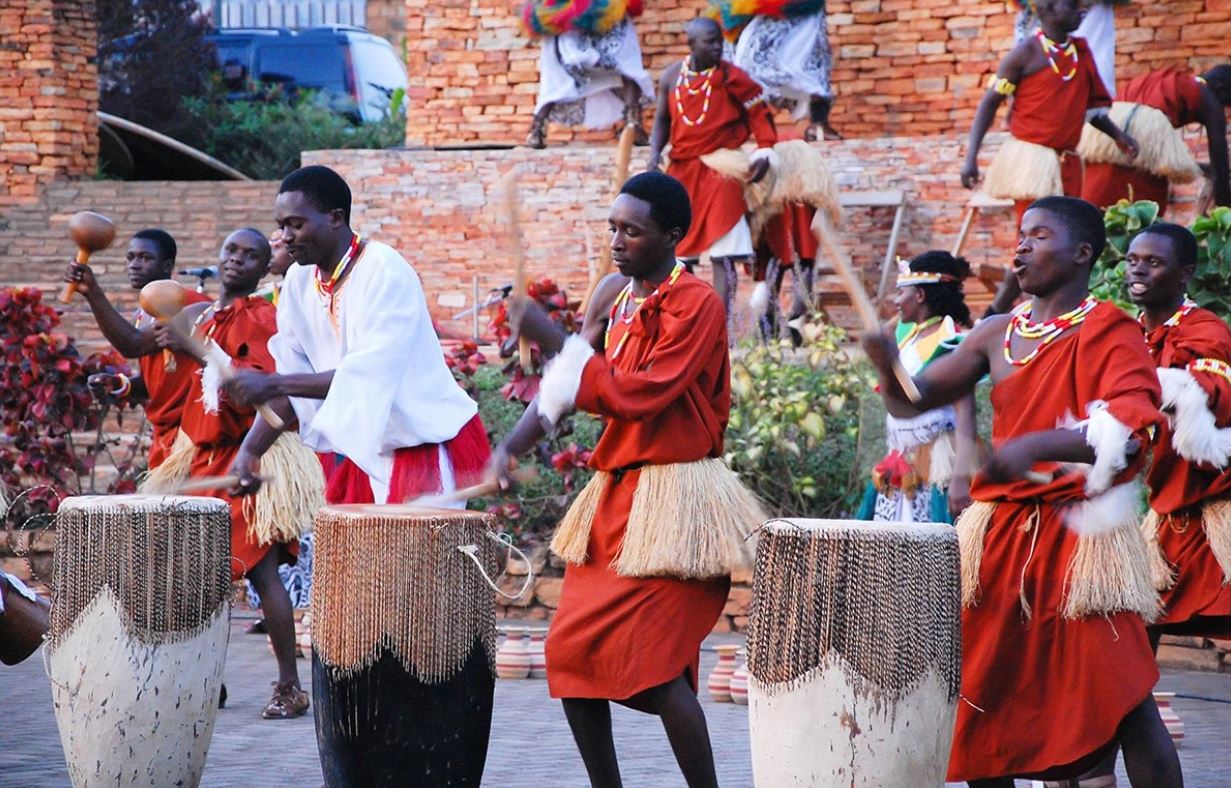
Our Uganda cultural tours take you to traditional villages where you can witness cultural ceremonies, including dances, storytelling, and drumming. You will have the opportunity to interact with the locals and learn about their unique way of life. Our knowledgeable guides will introduce you to the customs and beliefs of each community, offering insights into Uganda’s rich cultural history.
Uganda is home to several ethnic groups, including the Bantu, Nilotic, and Central Sudanic peoples, each with its distinct cultural practices. Our cultural safaris offer an opportunity to learn about diverse cultural communities and their customs. You can try local food and crafts and even participate in traditional ceremonies if you wish.
Our tailor-made cultural safaris are designed to meet your specific needs and interests. Whether you’re interested in learning about the traditional hunting and gathering practices of the Batwa community or exploring the rich musical traditions of the Baganda people, we have a tour for you.
Our cultural safaris not only offer an opportunity to explore Uganda’s diverse cultural heritage but also to contribute to the local economy. By supporting local communities, we strive to create sustainable tourism that benefits both visitors and locals.


HIGHLIGHTS ON UGANDA CULTURAL TOURS
With a diverse culture, Uganda is one of the most interesting countries to visit in Africa and the world. The different cooking styles, dress codes, cultural dances and music, the different forms of art, and the uniqueness of each and every culture in Uganda attract many travelers each year.
Visit the King’s Palace in Mengo and Parliament
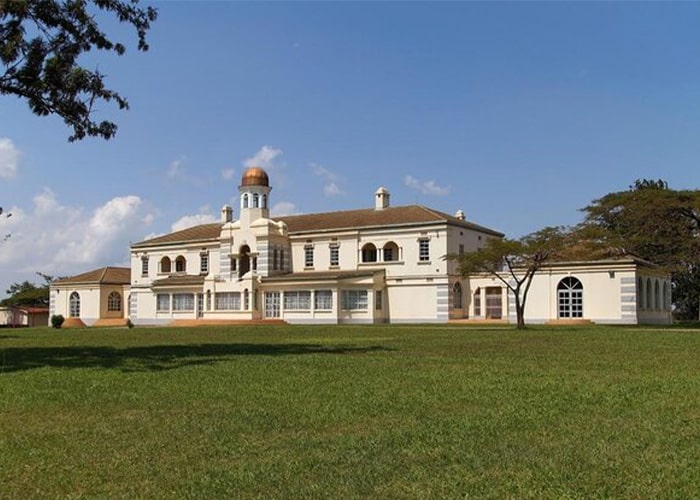
The Lubiri or Mengo palace is one of the residences of the Kabaka (King) of Buganda. It has striking colonial architecture and covers 4 square miles. The palace was built in 1885 and is hence a great place to go if one is interested in learning more about the history of the Baganda.
The current Kabaka no longer uses this palace, which was attacked by government forces during the reign of his father, Muteesa II. Visitors are free to visit during the weekdays. Just opposite the palace is Buganda’s main parliament, locally known as Bulange. You can attend one of the parliamentary sessions to witness how the elders of Buganda are discussing issues pertaining to the Kingdom.

Visit to Namirembe and Rubaga Cathedrals
Namirembe Cathedral is the most prominent Anglican cathedral in Uganda, just as Rubaga Cathedral is to Roman Catholics. The Rubaga Cathedral was built in 1880 on Rubaga Hill, while the Namirembe Cathedral was built in 1903 on Namirembe Hill.
Both cathedrals hold the highest offices of the two Christian denominations. It is where their highest-ranking Bishops reside. The cathedrals are filled with Christians from across the city and the country every Sunday for the chance to pray in the sacred arenas. The cathedrals also have cemeteries/tombs for former priests and bishops who came as missionaries during the early times of Christianity in Uganda.

Baha’i Temple
The Baha’i Temple, also called the Mashriq I’-Adhkar, is a house of worship open to all people worldwide. The Baha’i faith was introduced in Uganda in 1951, which makes it one of the earliest Baha’i communities in Eastern Africa.
The Baha’i Temple is located in over 2,800 localities throughout the country and has members who represent every tribal religious background. In Uganda, the Bahai Temple was constructed about 50 years ago between 1958 and 1961 on Kikaya hill above every other landscape 3km away in all directions, 4miles from Kampala on Gayaza road.
It is sitting on 52 acres of land, 124 feet high, 44 feet in diameter, 84 feet in diameter in the interior, with a circumference of 265 feet and 55 55-hectare compound. It was the first Bahá’í House of Worship on the African continent and has become a well-known landmark in Kampala because of its natural setting of beautiful fruit trees, flowers, and the path leading to the dome.
Kasubi Tombs
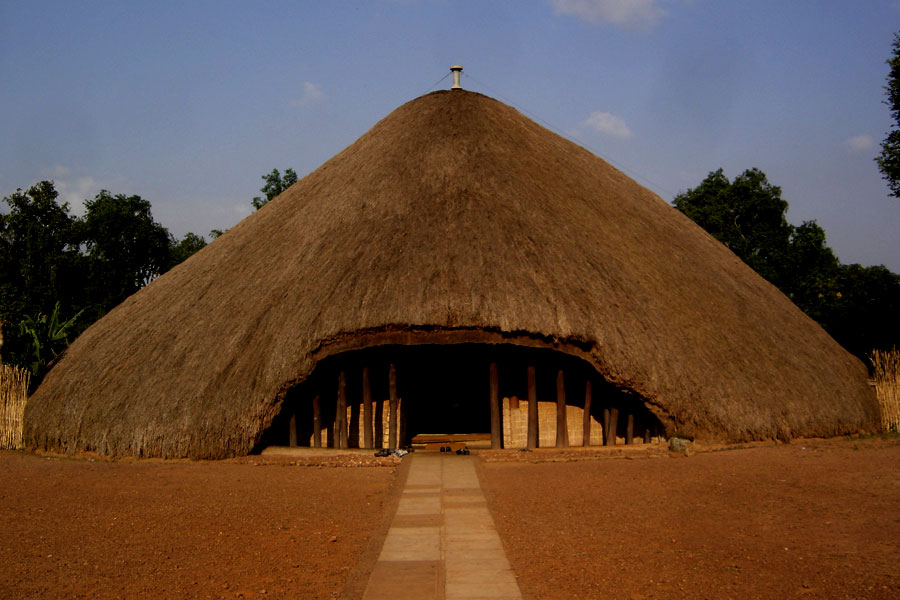
The tombs are among the Kingdom of Buganda’s main treasures and a leading tourism attraction in Uganda. The tombs are located 6 kilometers from Kampala’s city center. The tombs are a UNESCO World Heritage site and receive (used to receive) thousands of visitors in a year. You can easily reach it from Makerere University using the road to Rubaga and Mengo.
The Kasubi tombs are the main burial grounds for the Kings (Kabakas) of Buganda, as well as other royals. Four Kings of Buganda are buried in the tombs, including Mutesa II, Mwanga II, Daudi Chwa, and Mutesa I.
A large part of the tombs was recently destroyed by a fire set by unknown people. This triggered a wave of protests and demonstrations by Baganda loyalists. The culprits have never been caught, and much speculation remains. Renovations have been underway to restore it to its former state, funded by the Ugandan and Japanese governments.
Uganda Martyrs Shrine in Namugongo
The Namugongo Martyrs Shrine is one of the most visited religious sites in Africa. Each year on the 3rd of June, millions of pilgrims flock to the shrine to commemorate the death of 25 Christians of both the Anglican and catholic denominations who refused to give up their faith even in the face of death.
In 1886, Kabaka Mwanga II of Buganda ordered the death of many Christians whom he felt had stopped respecting him after converting to Christianity. He found foreign religion a threat to his rule and control over his people.
Several Christians from all denominations were brutally killed on the orders of the King in an attempt to stamp out his authority. June 3rd is a public holiday in Uganda, and both protestants and Catholics visit their respective shrines to pay homage to the martyrs.

The Uganda Museum
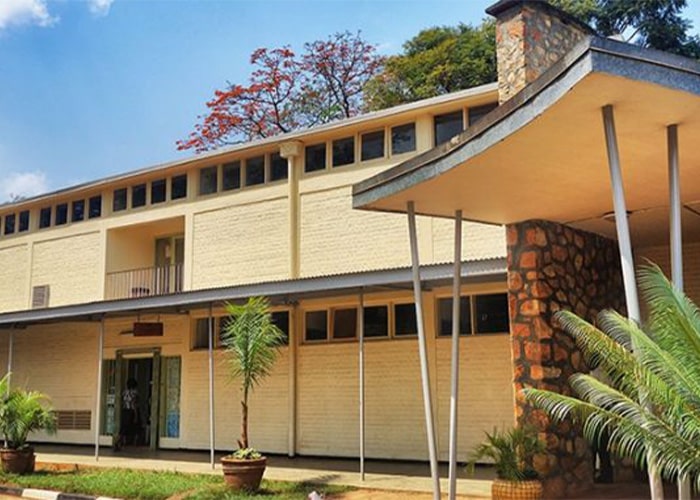
The Uganda museum was built to help preserve Uganda’s history. The museum is without doubt the best place to visit if one is interested in learning about Uganda’s history and cultural heritage. This history and heritage is demonstrated through a collection of instruments, artifacts and recordings.
The Uganda Museum was first built in 1908 but has undergone a series of renovations in the interior to give it a more modern look. Several instruments and tools are available to describe or demonstrate what Uganda was and is. They include musical instruments, traditional weapons (spears, arrows and bow), drums and archaeological remains to mention but a few.
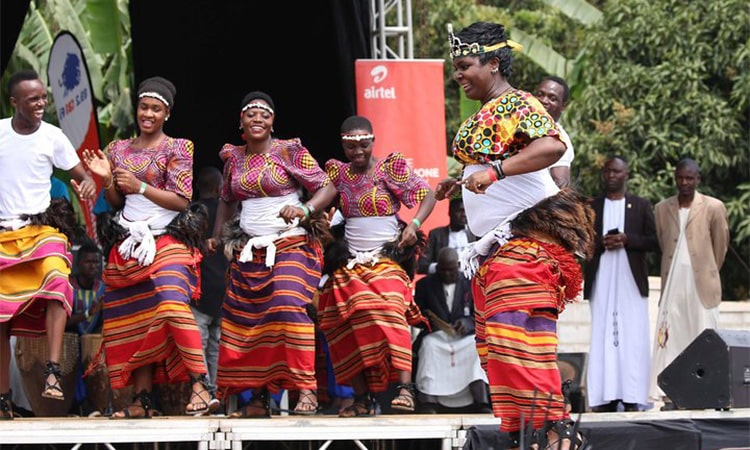
1 Day Adventurous Entanda Cultural Experience
Welcome to the 1-Day Adventurous Entanda Cultural Experience! Get ready to embark on a thrilling journey that combines the best of cultural immersion and adventure. Discover the hidden gems of Entanda as you delve into its fascinating history, engage with friendly locals, and partake
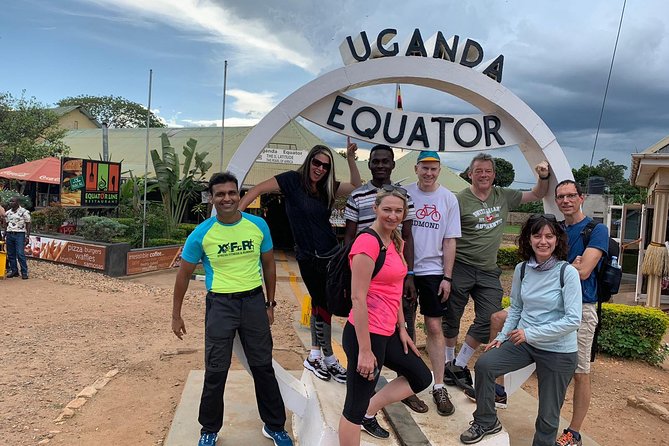
1 Day Equator Tour
Embark on a captivating journey through the cultural heartland of Busoga with Webstarsafaris’ Busoga Cultural Tour in Uganda. Nestled along the majestic River Nile, the Busoga region is renowned for its vibrant traditions, historical significance, and warm hospitality.Immerse yourself in the cultural tapestry of this fascinating…
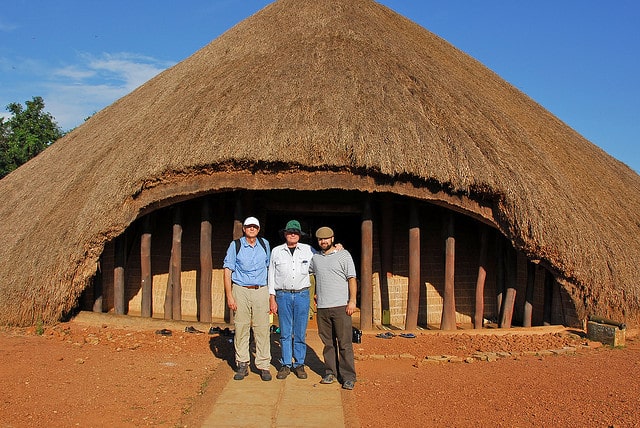
1 Day Uganda cultural safari
1 Day Uganda Cultural Safari: Cultural tourism in Uganda is one of the most rewarding types of tourism in the country that you can choose to participate for an amazing time during your Uganda safari. Uganda is among the most culturally diverse countries in east Africa that you will offer the most memorable
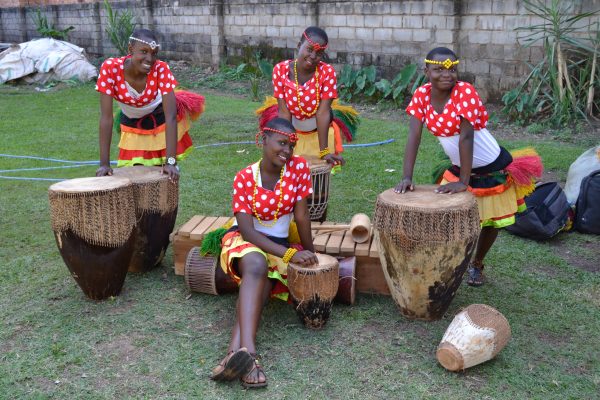
14 Days Kampala City Cultural Safari
14 Days Kampala city cultural safari gives you an unforgettable experience as you cruise around the busy city and view all the seven hills of the city. Visit Namugongo shrine, the Uganda museum, Ndere cultural center, and also have a chance to visit the …
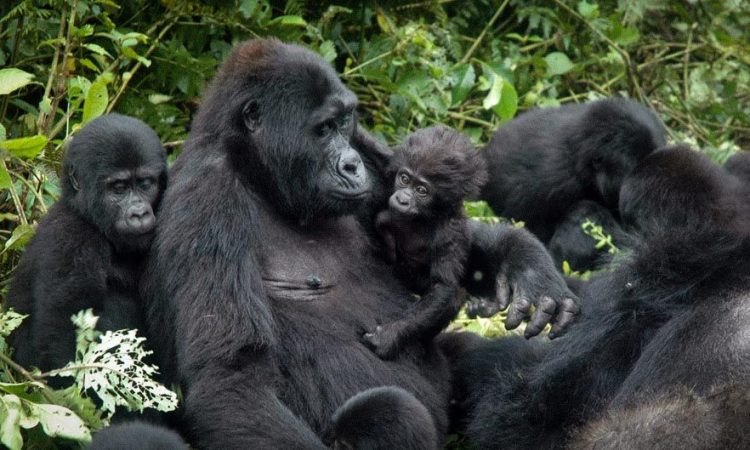
15 Days Best of Uganda Gorillas, Wildlife and Cultural Tour
15 Days Best of Uganda Gorillas, Wildlife and Cultural Tour presents a rich and diverse experience of the uganda safari offering uganda prime attractions( the mountain gorilla trekking ) chimpanzee trekking , wildlife encounter and the rich and diverse

2 Days Kampala Cultural Tour and Buganda Cultural Trail
2 Days Kampala Cultural Tour and Buganda Cultural Trail Experience the richness and diversity of Uganda’s culture on our 2 days Kampala Cultural Tour and Buganda Cultural Trail. This tour will take you on a journey to explore the vibrant history….
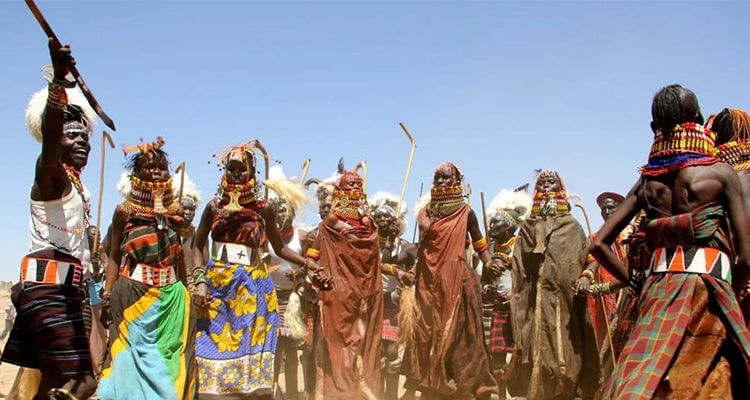
2 days Karamoja cultural experience
2 days Karamoja cultural experience Looking for an unforgettable cultural adventure in Uganda? Webstarsafaris presents a remarkable 2 days Karamoja Cultural Experience. Immerse yourself in the authentic traditions and captivating ceremonies of the Karamojong people with our 2 days Karamoja Cultural Experience.
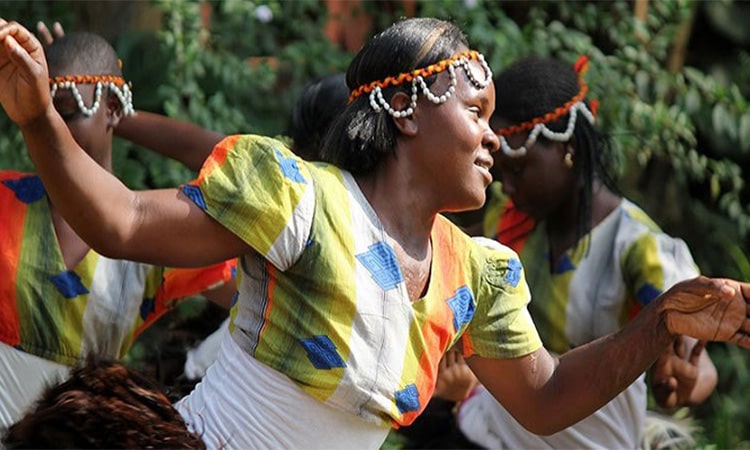
20 Days Uganda Cultural Tour
20 Days Uganda Cultural Tour Embarking on a 20 days Uganda cultural tour is an opportunity to discover the country’s fascinating ethnic groups, ancient traditions, and vibrant cultural tapestry. From the central region’s Baganda to the northern Acholi, northeastern Karamojong, and beyond, Uganda offers a captivating journey
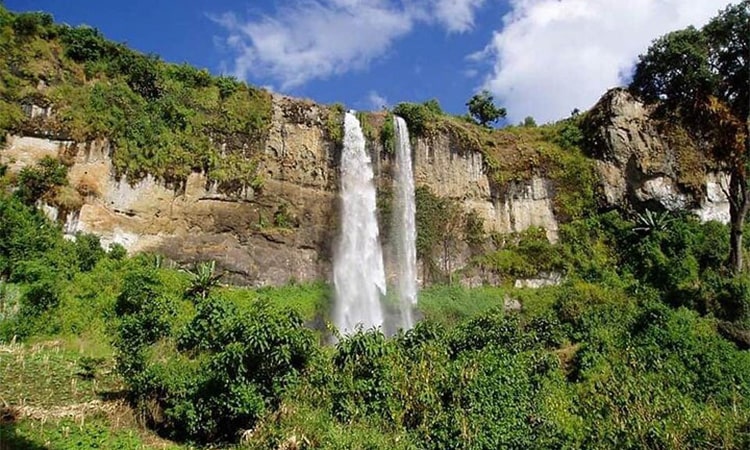
3 Days Jinja White Water Rafting and Sipi Falls
3 Days Jinja White Water Rafting and Sipi Falls Coffee Tour This tour will take you for white water rafting in Jinja, Uganda’s Adventure city, and also visit the source of the Nile. You will spend a full day white water rafting on a stretch of the Nile River comprising of grade 3-5 rapids with…
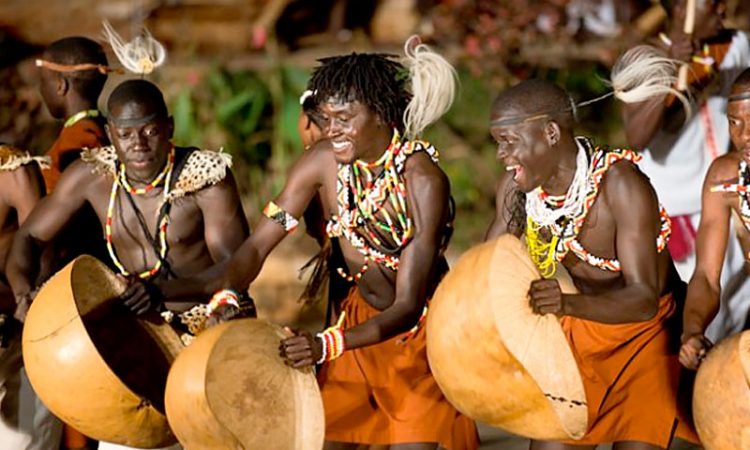
3 Days Uganda Cultural Tour
3 Days Uganda Cultural Tour Experience the vibrant and diverse cultures of Uganda on our 3 days Uganda Cultural Tour. This tour will take you on a journey to explore the customs and traditions of the country's most prominent ethnic groups, including the Buganda, Banyoro, and Batwa. From the bustling city of Kampala to the…
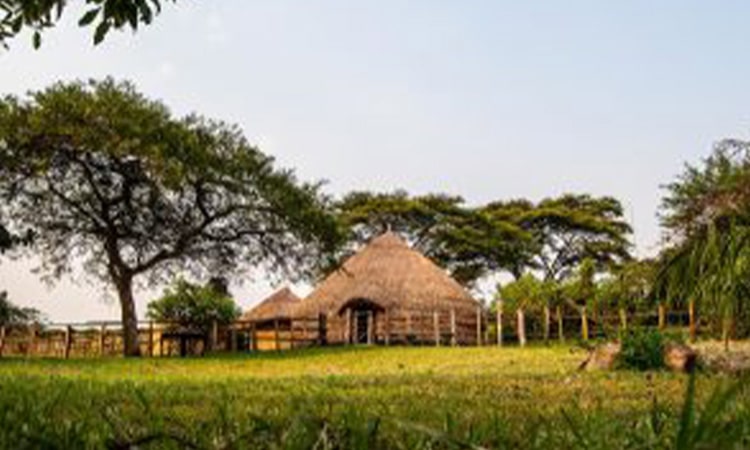
4 Days Cultural Tour at Nshenyi Village
Experience the vibrant traditions and warm hospitality of the Ankole people with our 4 days Cultural Tour at Nshenyi Village. Immerse yourself in the authentic Ankole heritage as you embark on a transformative journey through Uganda’s cultural tapestry.Upon your arrival at Nshenyi Village, you will be…
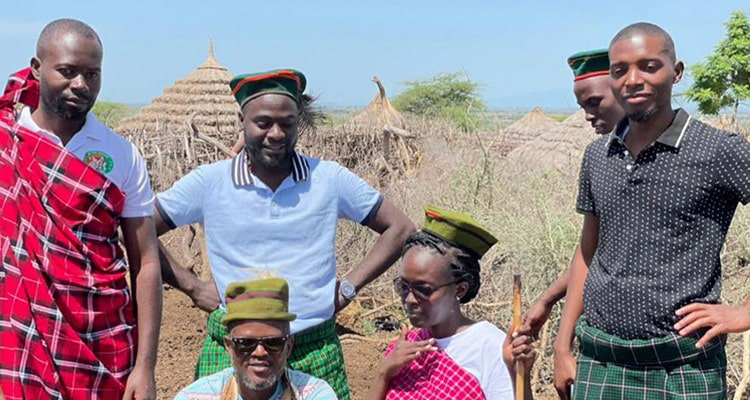
4 Days Karamoja Cultural Tour
Immerse yourself in the captivating traditions and breathtaking landscapes of the Karamoja region with Webstarsafaris’ 4 Days Karamoja Cultural Tour in Uganda. This immersive journey takes you deep into the heart of Karamojong culture, allowing you to witness ancient customs, partake in traditional ceremonies, and discover…
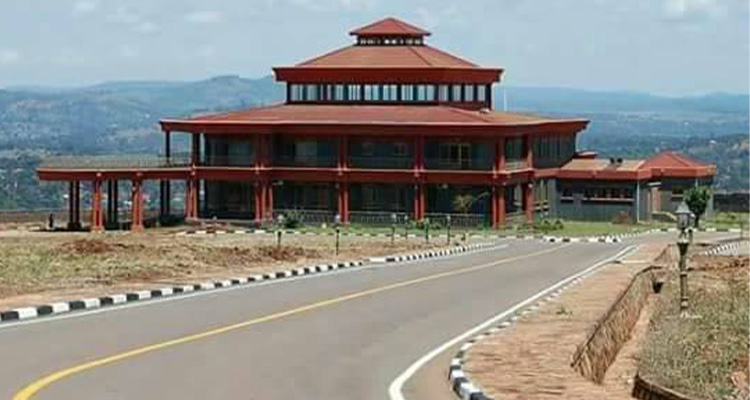
6 Days Busoga Cultural Tour
Are you ready to delve deep into the enchanting traditions and history of Busoga? Webstarsafaris presents a captivating 6 Days Busoga Cultural Tour in Uganda. Embark on a transformative journey through the vibrant kingdom of Busoga..
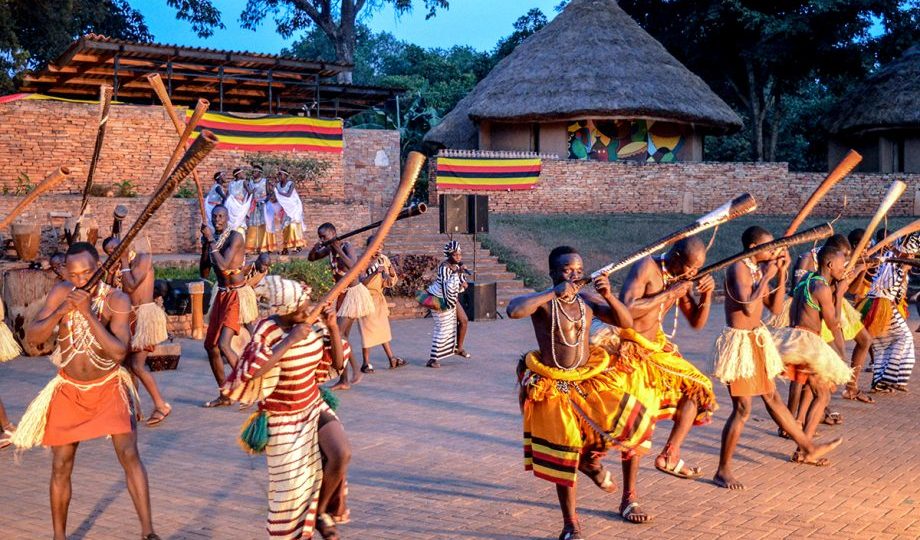
6 Days Uganda Cultural Safari
6 Days Uganda Cultural Safari is one of the comprehensive cultural tours in Uganda that features and takes you to various cultural sites and tribes of Uganda. You will have a Kampala City cultural safari tour and view all the seven hills in the …..
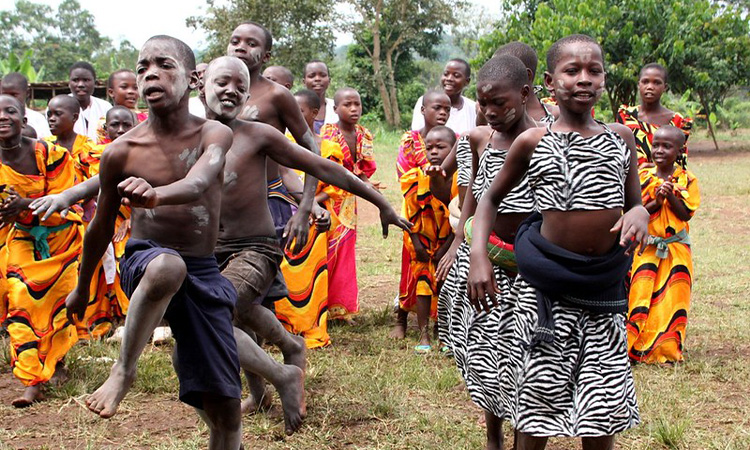
7 Days African Cultural Tour Uganda
Are you ready to delve deep into the enchanting traditions and history of Busoga? Webstarsafaris presents a captivating 6 Days Busoga Cultural Tour in Uganda. Embark on a transformative journey through the vibrant kingdom of Busoga..
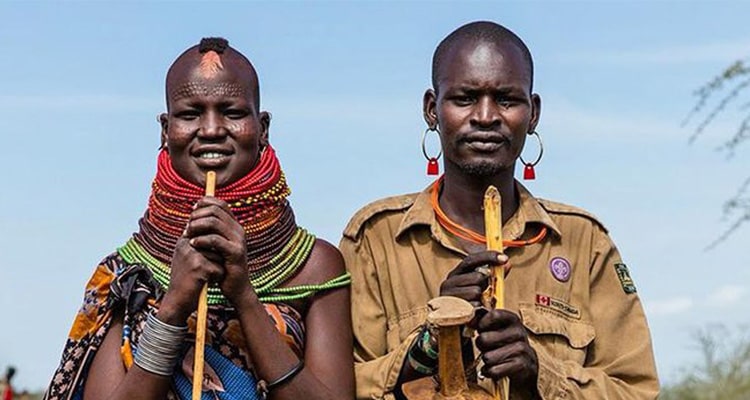
7 Days Discover Karamoja Cultural Tour
7 Days Discover Karamoja Cultural Tour : Experience the vibrant culture and abundant wildlife of Uganda’s unexplored Karamoja region on our 7 days cultural tour. Nestled in the far North-eastern part of Uganda…
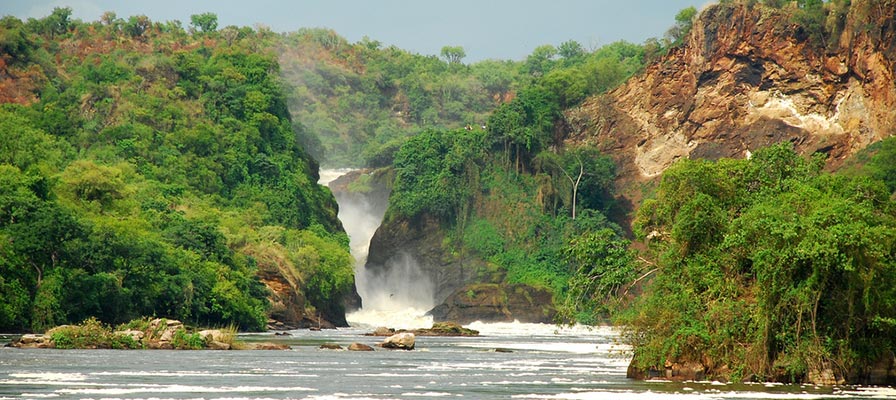
8 days Uganda Cultural tour
8 Days Uganda Cultural tour On this 8 days Uganda Cultural tour, experience every facet of Uganda’s culture, from food to cultural sites, native people.If you're looking for an immersive experience of Uganda's vibrant culture and traditions, an 8-days cultural tour may be just what you need. This tour will take you through some of…
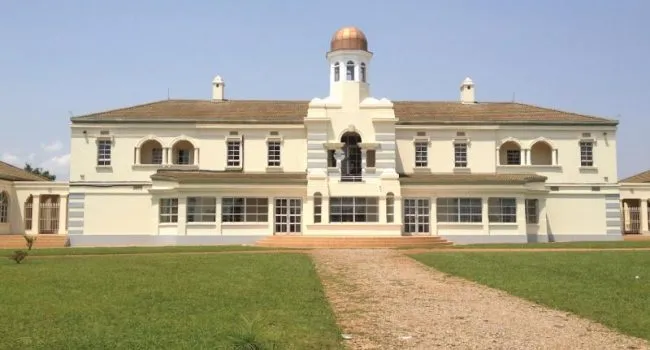
A Visit to the Buganda Kingdom
A Visit to the Buganda Kingdom Embark on a remarkable journey to the heart of the Buganda Kingdom, brought to you by Webstar Safaris. Immerse yourself in the rich cultural heritage and historical significance of this fascinating kingdom, located in Uganda. Our carefully curated tour will transport you to a world of awe-inspiring traditions and…
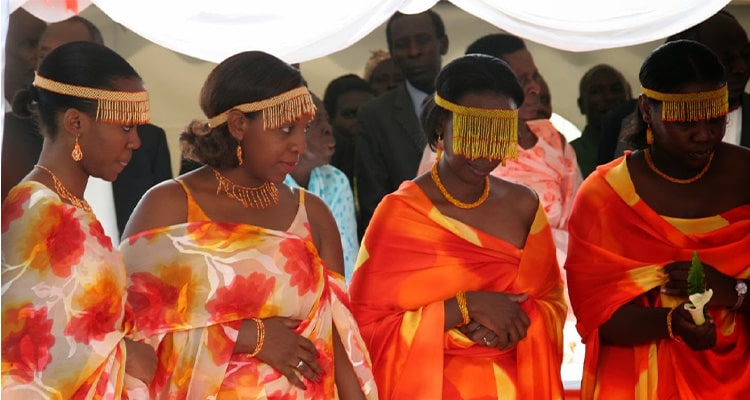
Banyankole Culture tour
Embark on a captivating journey through the cultural heartland of Busoga with Webstarsafaris’ Busoga Cultural Tour in Uganda. Nestled along the majestic River Nile, the Busoga region is renowned for its vibrant traditions, historical significance, and warm hospitality.Immerse yourself in the cultural tapestry of this fascinating…

Batwa Cultural Trail in Uganda
Batwa Cultural Trail in Uganda Book the Batwa Cultural Trail Experience in Uganda with Webstarsafaris Discover the cultural history of the Batwa people of Uganda with the Batwa Cultural Trail, a nature walk safari activity in Mgahinga Gorilla National Park. Webstarsafaris invites you to book this unique cultural tour to explore the ancient knowledge of…
Busoga Cultural tour
Embark on a captivating journey through the cultural heartland of Busoga with Webstarsafaris’ Busoga Cultural Tour in Uganda. Nestled along the majestic River Nile, the Busoga region is renowned for its vibrant traditions, historical significance, and warm hospitality.Immerse yourself in the cultural tapestry of this fascinating…
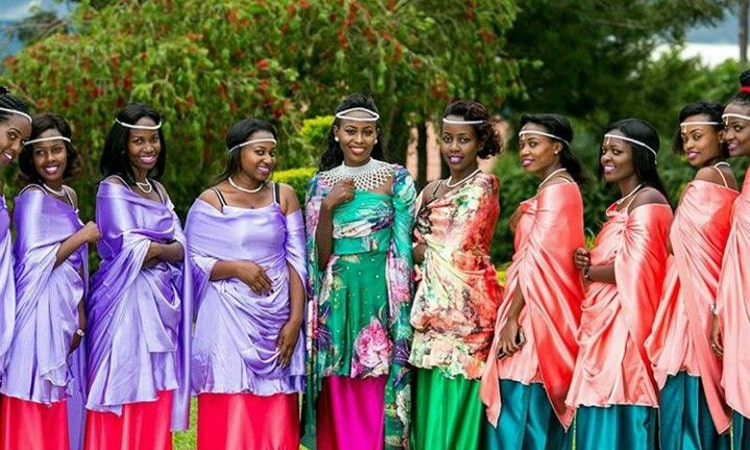
Ethnic Groups in Uganda
Ethnic Groups in Uganda :A Cultural Journey Discover the diverse ethnic groups in Uganda and delve into their rich traditions, languages, and cultural practices.Uganda is a country in East Africa renowned for its cultural diversity, and it is home to numerous ethnic groups. These ethnic groups contribute to the vibrant tapestry of Ugandan society, each with…
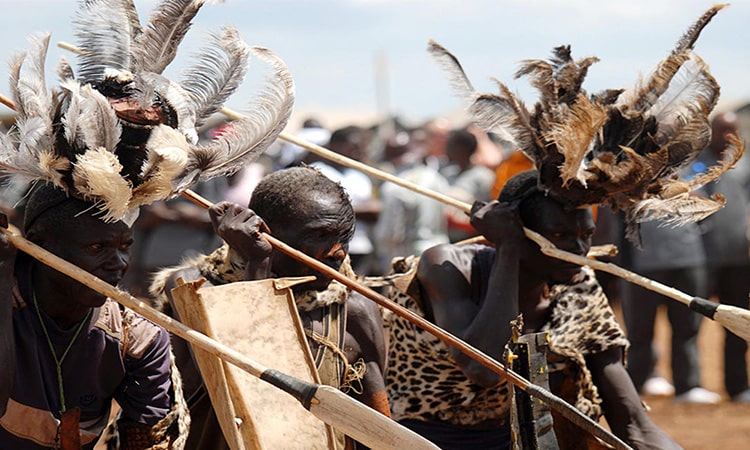
Exploring the Cultural Heritage of the Iteso Tribe
Exploring the Cultural Heritage of the Iteso Tribe in Uganda The Iteso tribe, residing in the eastern part of Uganda, is a community rich in cultural heritage and artistic expressions. With their strong connection to the land and agricultural traditions, the Iteso people have created a vibrant tapestry of customs and beliefs. Join us as…
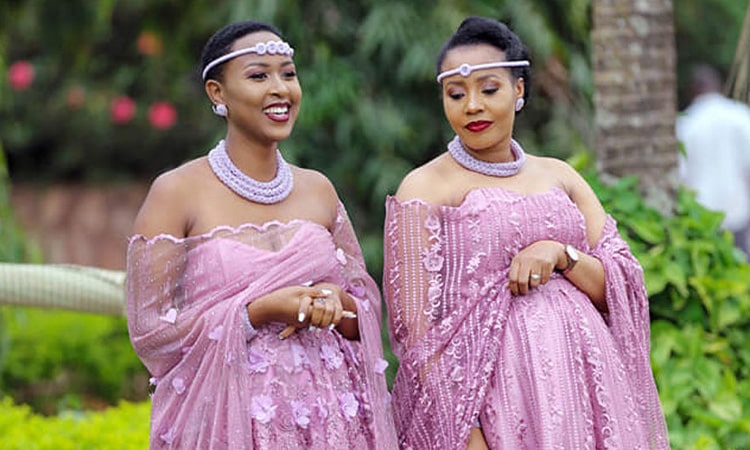
Exploring the People, Settlements, and Tribes in Uganda
Exploring the People, Settlements, and Tribes in Uganda Discover the diverse ethnic groups, settlements, and tribes that make up Uganda’s cultural mosaic. Explore the lifestyles, traditions, and unique characteristics of each group, from the Baganda in the central region to the Karamojong
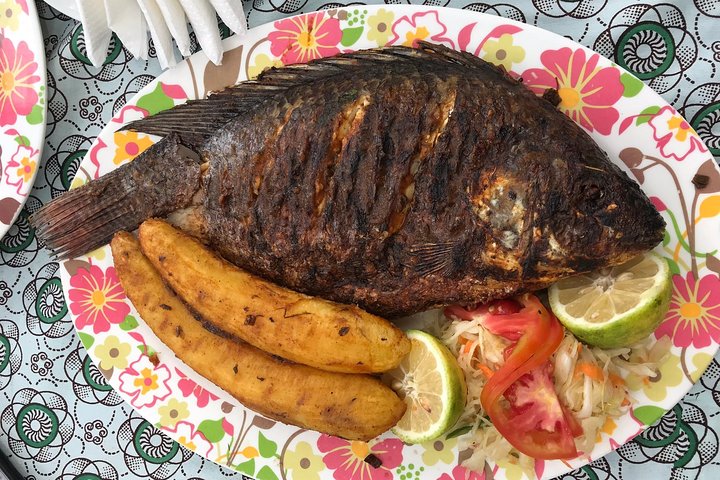
Fishing Village Food Tour & Luwombo
Fishing Village Food Tour & Luwombo Embark on a unique Fishing Village Food Tour that takes you off the beaten path to explore the culinary delights of Uganda’s fishing communities. Join us as we venture to a picturesque fishing village, interact with local fishermen, and savor the flavors of freshly caught fish …
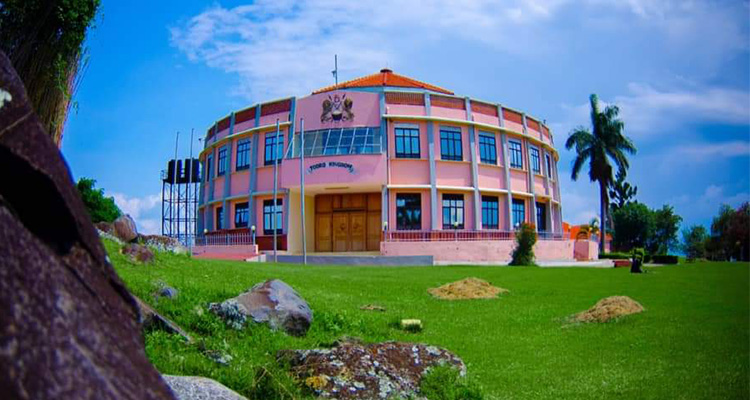
Fort portal and Tooro kingdom tour
Are you ready to delve deep into the enchanting traditions and history of Busoga? Webstarsafaris presents a captivating 6 Days Busoga Cultural Tour in Uganda. Embark on a transformative journey through the vibrant kingdom of Busoga..
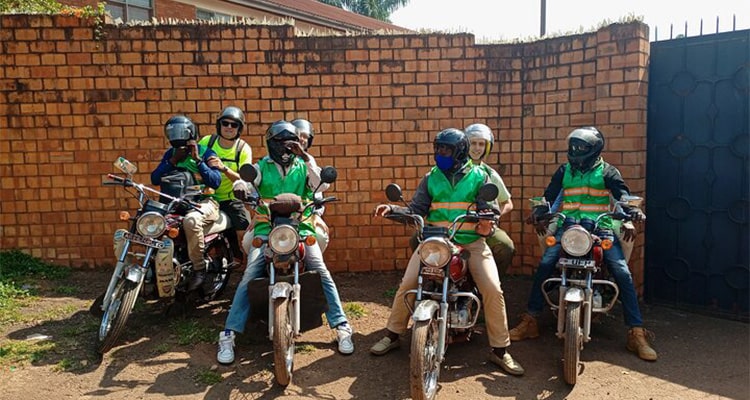
Kampala boda boda Tour
Are you ready for an exhilarating adventure through the bustling streets of Kampala? Webstarsafaris presents the Kampala Boda Boda Tour, a unique way to experience Uganda’s vibrant capital city. Hop on the back of a boda boda motorcycle and zoom through the city’s lively…
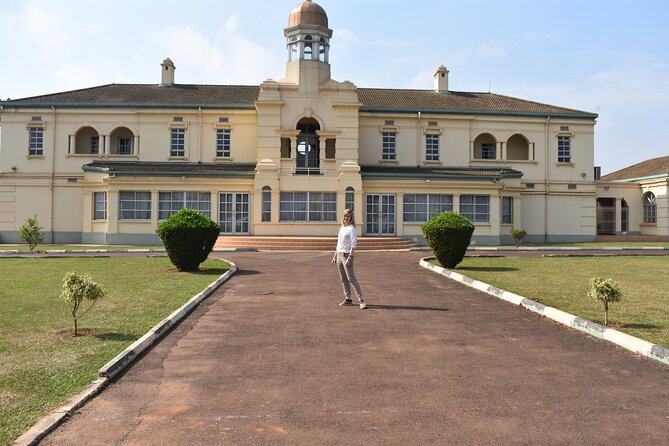
Kampala Cultural tour
Embark on a captivating journey through the cultural heartland of Busoga with Webstarsafaris’ Busoga Cultural Tour in Uganda. Nestled along the majestic River Nile, the Busoga region is renowned for its vibrant traditions, historical significance, and warm hospitality.Immerse yourself in the cultural tapestry of this fascinating…
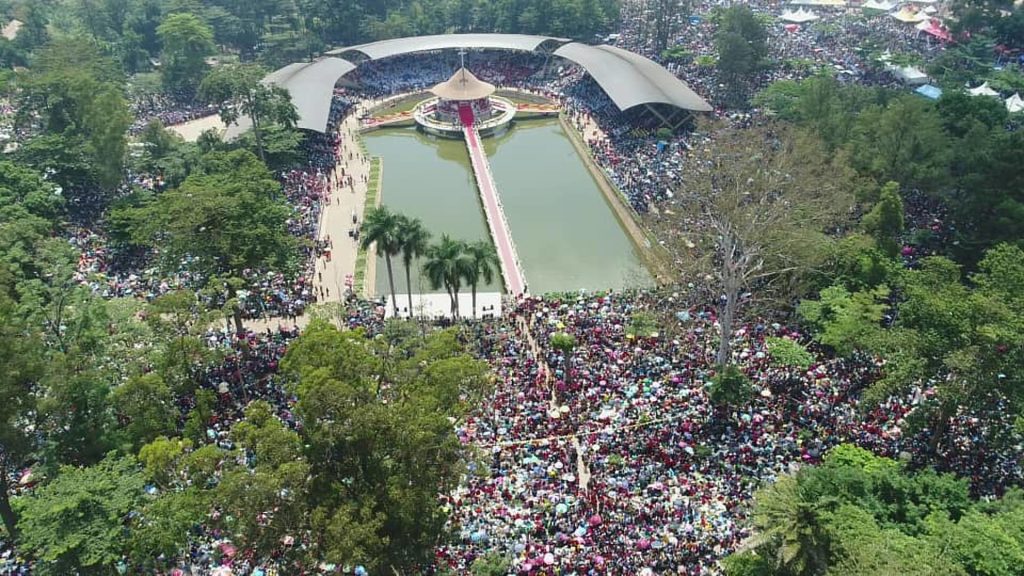
Kampala Religious Tour
Embark on a captivating Kampala Religious Tour and discover the spiritual tapestry that weaves through the vibrant city of Kampala. Explore the diverse religious sites, immerse yourself in sacred spaces, and gain a deeper understanding of the religious traditions that thrive in Uganda. Join us as we delve into the rich cultural heritage and spiritual significance ….

Kampala Walking Tour
Are you ready to delve deep into the enchanting traditions and history of Busoga? Webstarsafaris presents a captivating 6 Days Busoga Cultural Tour in Uganda. Embark on a transformative journey through the vibrant kingdom of Busoga..
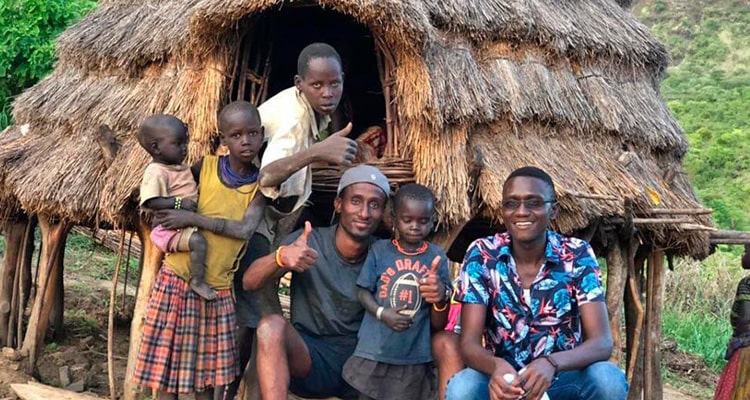
Karamoja Cultural Tour
Embark on a Karamoja Cultural Tour in Uganda to discover the vibrant traditions of the Karamojong people. Immerse yourself in ancient customs, witness traditional ceremonies, and explore the awe-inspiring landscapes of the Karamoja region
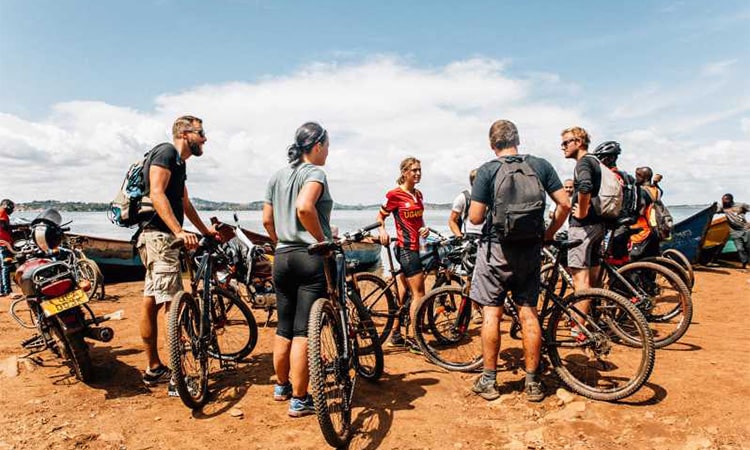
Lake Victoria Island Cycling Tour
Are you ready to delve deep into the enchanting traditions and history of Busoga? Webstarsafaris presents a captivating 6 Days Busoga Cultural Tour in Uganda. Embark on a transformative journey through the vibrant kingdom of Busoga..
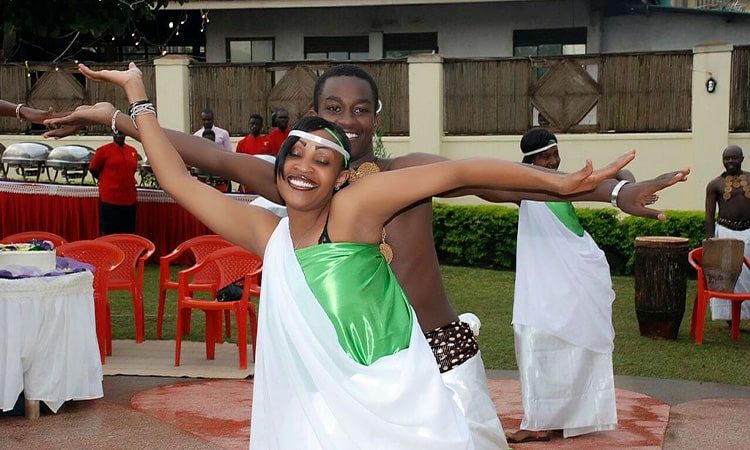
Nshenyi Cultural Village
Experience the vibrant traditions and warm hospitality of the Ankole people with our Nshenyi Cultural Village Tour. Step into a world where ancient customs and traditions come alive, offering a fascinating glimpse into the rich cultural heritage of Uganda.
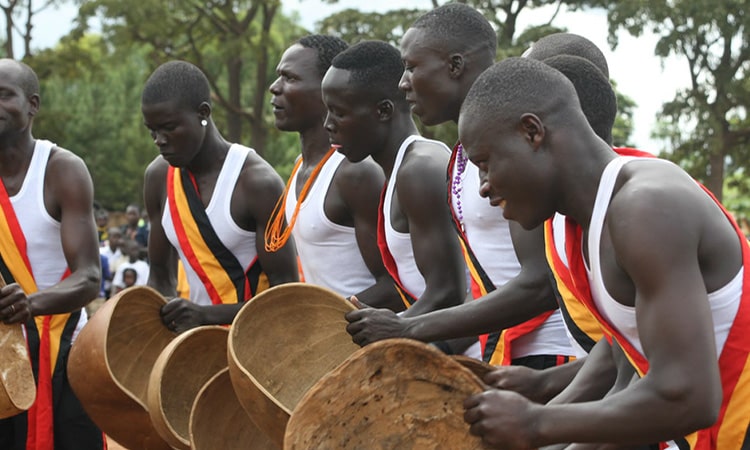
The Acholi Tribe
Discover the Rich Cultural Heritage of the Acholi Tribe in Uganda The Acholi tribe resides in the northern region of Uganda. They have a distinct cultural identity and are known for their energetic dances accompanied by ngom (drum) rhythms. The Acholi people have a rich oral tradition, with folklore and legends passed down through generations. The…
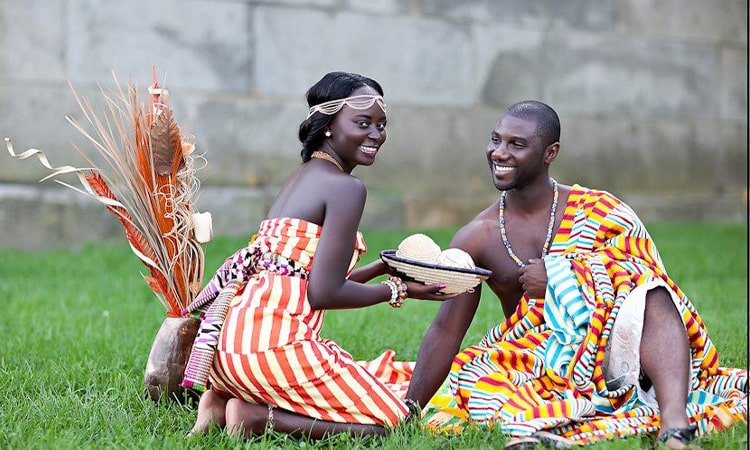
The Bagisu and their culture
The Bagisu and their culture The Bagisu- have no tradition of an early migration from somewhere. They assert that their ancestors were called Mundu and Sera whom tradition says came out of a hole in Mountain Masaba. Their early life seems to have been anti-social, almost based on the principle “survival of the fittest”. Very…
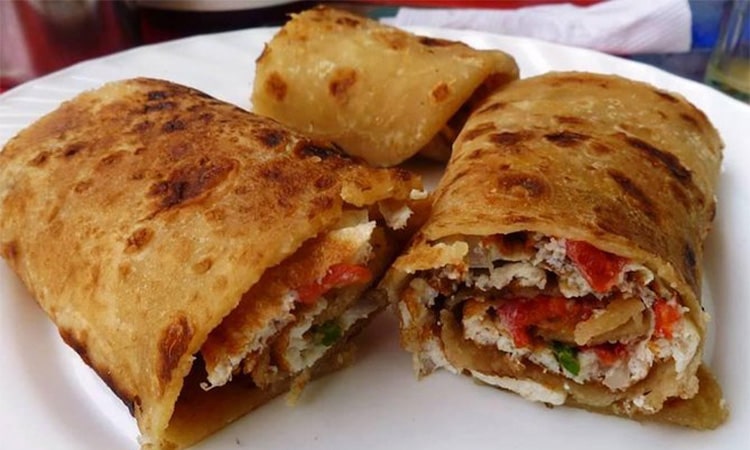
The Half day Food Tour in Uganda
The Half day Food Tour in Uganda Webstarsafaris invites you to embark on a mouthwatering half-day food tour in Uganda. Experience the rich diversity of Ugandan cuisine, uncover hidden culinary gems, and engage your senses in a gastronomic adventure. Led by knowledgeable local guides, this tour will introduce you to the authentic flavors, unique ingredients,…
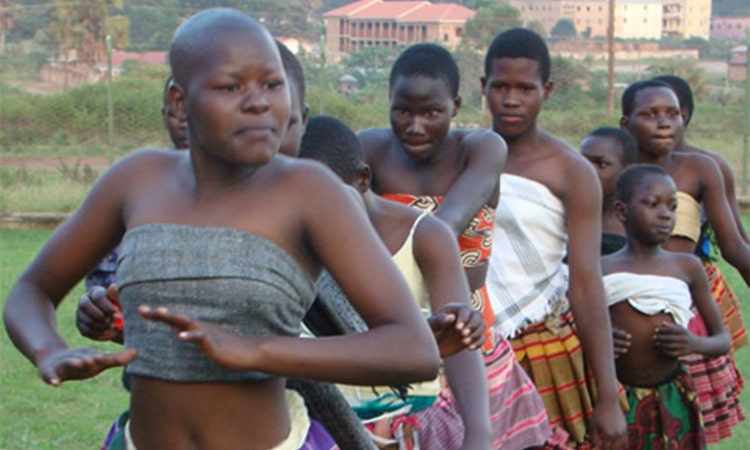
The Langi Tribe
Unveiling the Cultural Heritage of the Langi Tribe in Uganda The Langi tribe is a prominent community in northern Uganda. They have a rich agricultural heritage and are known for their farming techniques. The Langi have unique cultural practices, including traditional ceremonies, dances, and songs. Visitors can engage with the Langi community to learn about…
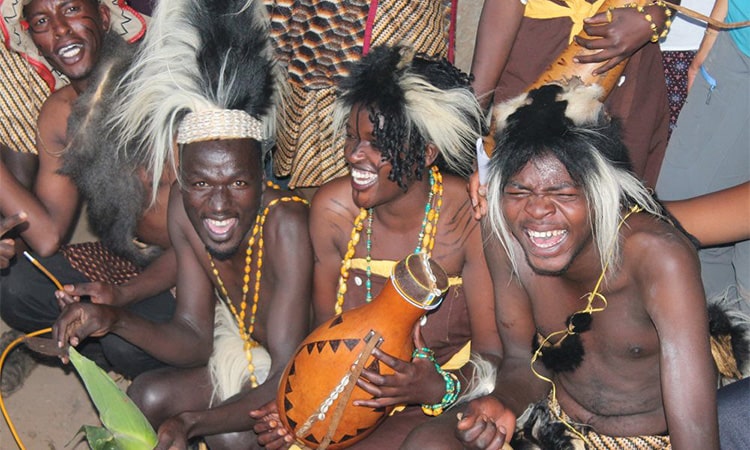
The Sabiny/Sebei Tribe
The Sabiny/Sebei Tribe Webstarsafaris invites you to discover the captivating culture of the Sabiny/Sebei tribe, nestled on the beautiful slopes of Mount Elgon. This tribe speaks the Kupsabiny language, which is a part of the Nandi cluster, known as Kalenjin in Kenya. You can find them in the picturesque towns of Kapchorwa, Bukwa, and Kween,…
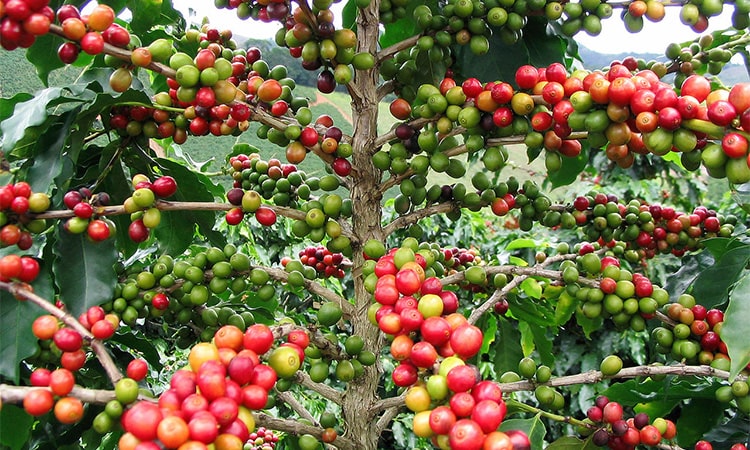
Tour the Coffee Plantations of Eastern Uganda
Tour the Coffee Plantations of Eastern Uganda Explore the Rich Aroma and Flavors: Coffee Plantation Tour in Eastern Uganda Discover the captivating world of coffee production with our immersive Coffee Plantation Tour in Eastern Uganda. Embark on a sensory journey through lush plantations, learn about the art of coffee cultivation, and savor the exquisite flavors…
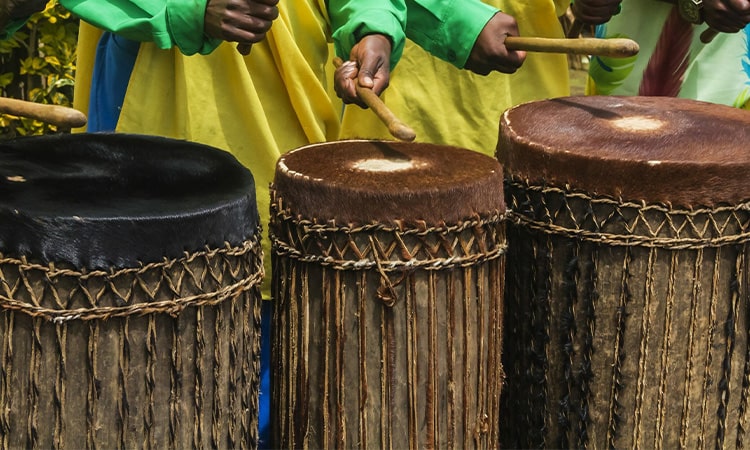
Visit Mpambire Drum Village
Visit Mpambire Drum Village Welcome to Mpambire Drum Village! Prepare to embark on a captivating journey that will introduce you to the vibrant world of traditional drumming. Located in Uganda, Mpambire Drum Village is renowned for its rich cultural heritage and exceptional craftsmanship. Join us as we delve into the heart of this rhythmic art…